If you have never watched a bakery morning from the inside, the 3 a.m. start sounds like folklore. It is not. It is the only way the math works when dough needs hours to rise, ovens hold a fixed number of trays, and customers in Lincolnton expect a full case at opening. This walkthrough follows a first-timer through the shift in the order it actually happens, so the next time a favorite item is gone by 10 a.m., you will know exactly why.
Marilyn's Sweet Addictions fills its case with cakes, cupcakes, and dessert favorites daily, and while every bakery sequences its morning a little differently, the logic below, proofing first, oven order second, finishing last, is the standard shape of the work.
The shift, step by step
- Arrive and fire the ovens. The first job is heat. Commercial ovens take real time to reach temperature and stabilize, so they go on before anything else, while the baker checks the day's order sheets and pulls ingredients.
- Check the overnight doughs. Doughs mixed the day before and held cold overnight are checked for rise and temperature. Cold fermentation builds flavor and spreads the work across two days, but the dough decides the morning, not the clock. An under-risen batch rearranges everything.
- Shape and set the proof. Loaves, rolls, and pastries are portioned and shaped, then left to proof in warmth. This stage commonly takes one to two hours, and it is the main reason the shift starts when it does. Proofing cannot be hurried without baking dense, pale product.
- Run the oven in order. Items needing the hottest start and steam go first, delicate and quick-browning items follow, and cakes and cupcakes rotate through the gaps. The baker is loading, turning, and unloading in a planned sequence, not baking one thing at a time.
- Mix the day's batters and frostings. While the first bakes are in, cake batters are mixed, cupcakes are panned, and frostings and fillings are made. Anything iced must first bake and then cool completely, so this track runs parallel to the bread track all morning.
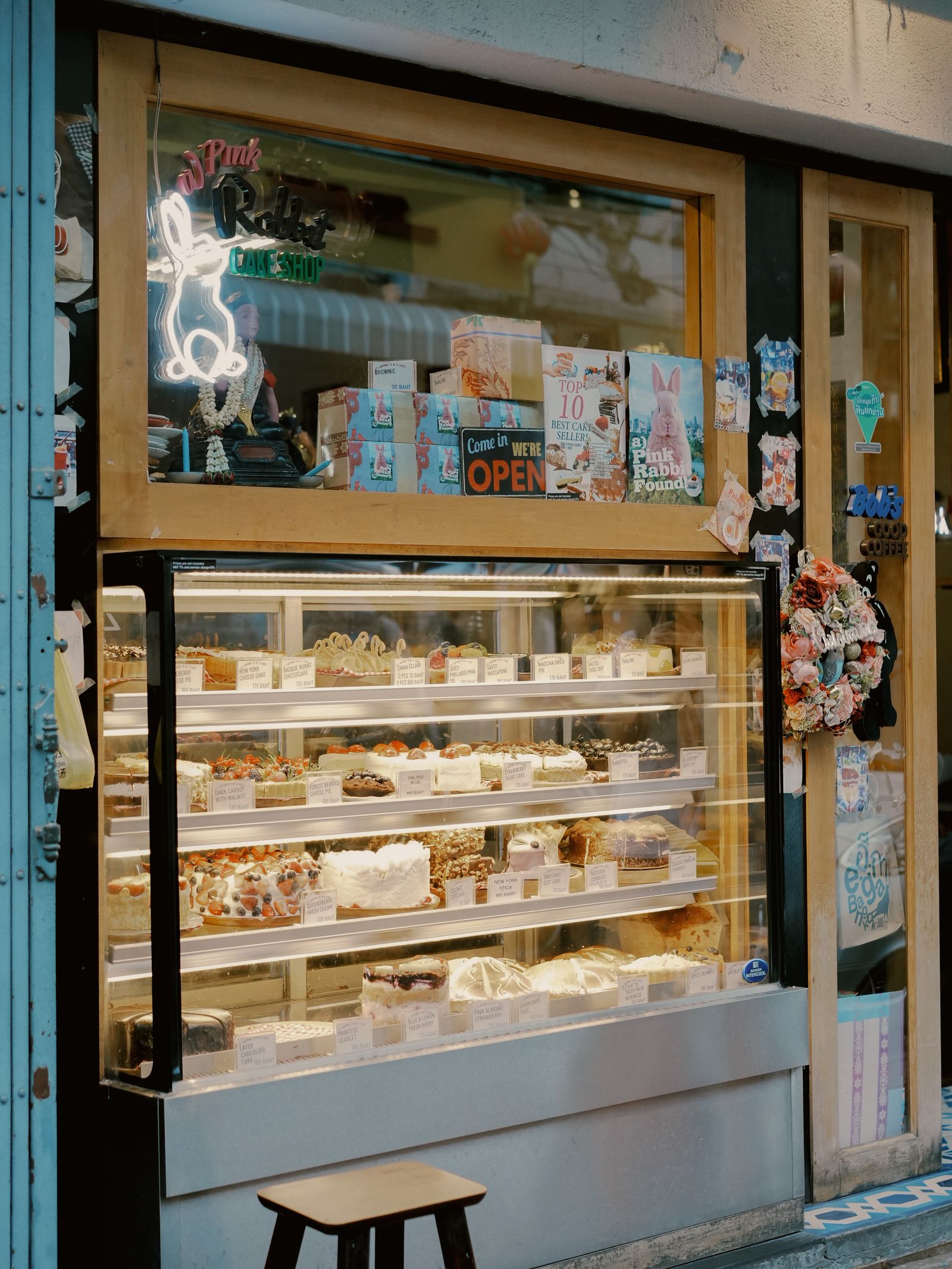
- Finish and fill the case. In the last stretch before opening, baked goods are glazed, filled, frosted, and decorated, custom orders are boxed and double-checked, and the case is loaded. The goal is a full case at the moment the door opens, not an hour after.
- Hand off to the day. When the shop opens, production does not stop, but it changes character: smaller bakes, restocks of fast sellers when the oven allows, and decorating work for the next day's orders.
What surprises first-timers most
The first surprise is how much of the morning is waiting, used well. Proofing and cooling are passive stages, and a good baker stacks active work inside them, which is why a bakery kitchen looks calm and frantic in alternating waves. The second surprise is how early the day's fate is set. By opening time, the quantities for the day are essentially fixed. A rush at 9 a.m. cannot call more croissants into existence by 10, because the dough for them would have had to start hours earlier.
The third surprise is the temperature juggling. A proofing dough wants warmth and humidity. Chocolate work and buttercream want a cool room. The baker moves items between zones all morning, and on a Lincolnton summer day, when the ovens have the kitchen hot by sunrise, keeping frosting workable is a genuine skill rather than a footnote.

Knowing the shape of the morning changes how you shop. The fullest case and the best selection are at opening. Special requests for the same day run into a schedule that was set in the dark. And the person boxing your cupcakes at 8 a.m. has, in all likelihood, already worked a full shift's worth of hours to put them there.
There is one more actor in the morning worth naming: yesterday. Almost nothing in the case at opening was started that morning from zero. Doughs were mixed, cakes were baked, fillings were made, and decorations were piped the day before, in the quieter afternoon hours. The 3 a.m. shift is the finishing half of a two-day system, which is why an order placed today for tomorrow morning is sometimes possible for simple items, and why an order for this afternoon so often is not. You are not asking for a bake. You are asking to insert a new two-day process into a schedule that began yesterday.
Common questions
Why can't a bakery just bake more when something sells out?
Proofing and cooling take hours, and oven space is committed to a sequence set early in the morning. Most items can only be remade on the next day's schedule.
Do cakes get baked the same morning they are sold?
Case cakes and cupcakes are often baked the same morning or the day before and finished that morning. Decorated custom cakes are usually baked one to two days ahead.
What is cold fermentation and why use it?
It is holding mixed dough in the refrigerator overnight to slow the rise. It builds deeper flavor and makes the morning bake schedule possible.
Photos in this guide are representative stock images.
← All guides from Marilyn's Sweet Addictions← Back to Marilyn's Sweet Addictions