There is a quiet cost to treating gluten-free baking as an afterthought, and it is not measured in dollars. It shows up when a family in Lincolnton stops ordering a birthday cake because the gluten-free version was dry the last two times, or when the one person at the table who cannot eat wheat gets a small, sad substitute while everyone else gets the real dessert. Neglect in this corner of baking compounds: a swap-based recipe fails, the baker assumes gluten-free is just inferior, and nobody does the actual work of building a proper recipe.
The fix is understanding what wheat does and replacing each job deliberately. Marilyn's Sweet Addictions works in cakes, cupcakes, and custom sweet orders, formats where structure matters in every bite. The numbers below frame what changes when wheat leaves a recipe, because several of the changes are measurable.
What the wheat was carrying
Wheat flour is typically about 10 to 13 percent protein, and those proteins form gluten when mixed with water. Gluten is the only common baking ingredient that creates an elastic, gas-holding network on its own. Everything else in a recipe leans on it: the rise, the slice, the chew, even the way a crumb holds moisture for a second day. A gluten-free blend has to rebuild that system from starches that gel, gums that bind, eggs that set, and fats that tenderize. None of those substitutes works alone, which is why a proper gluten-free recipe reads differently from the original rather than like a find-and-replace.
Where neglect shows up first
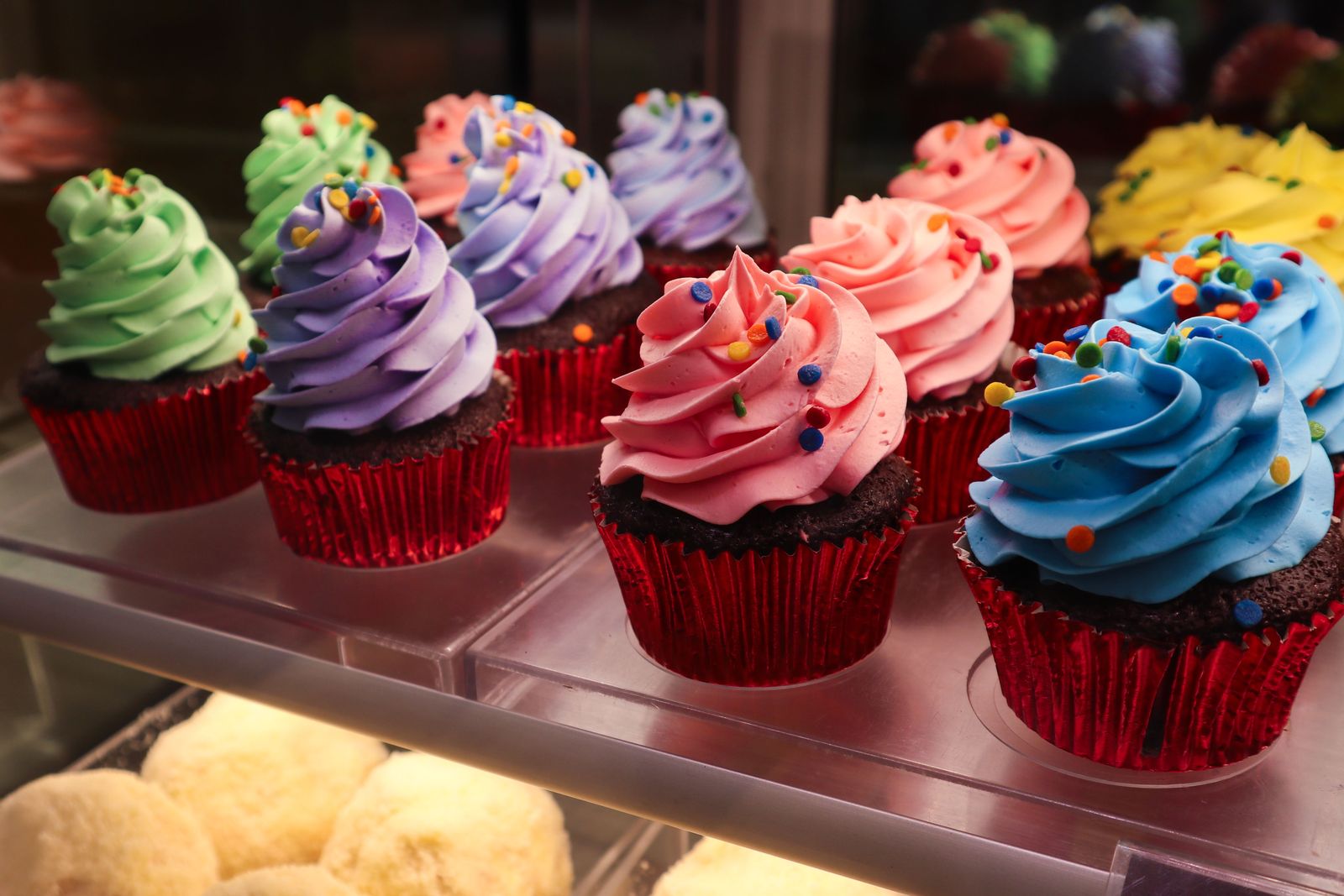
The earliest failure is gumminess, a dense, wet band in the center of a cake that no amount of extra baking quite fixes. It comes from too much starch or gum doing the binding, or from skipping the rest that lets rice flour hydrate so it does not bake up gritty and raw-tasting. The second failure is the crumble: a slice that will not hold together on the fork, caused by too little binding. Between those two failures sits a narrow, achievable target, and reaching it takes testing, which is exactly the step that the swap-it-and-see approach skips.
The third failure is slower and sadder. Gluten-free baked goods stale faster than wheat goods, because there is no gluten network holding moisture in the crumb. A cake neglected on the counter for three days is not a little dry, it is done. Wrapping tightly, refrigerating filled items, and freezing slices are not fussy extras for gluten-free baking. They are the difference between a cake that gets eaten and a cake that gets apologized for.
What doing it right looks like
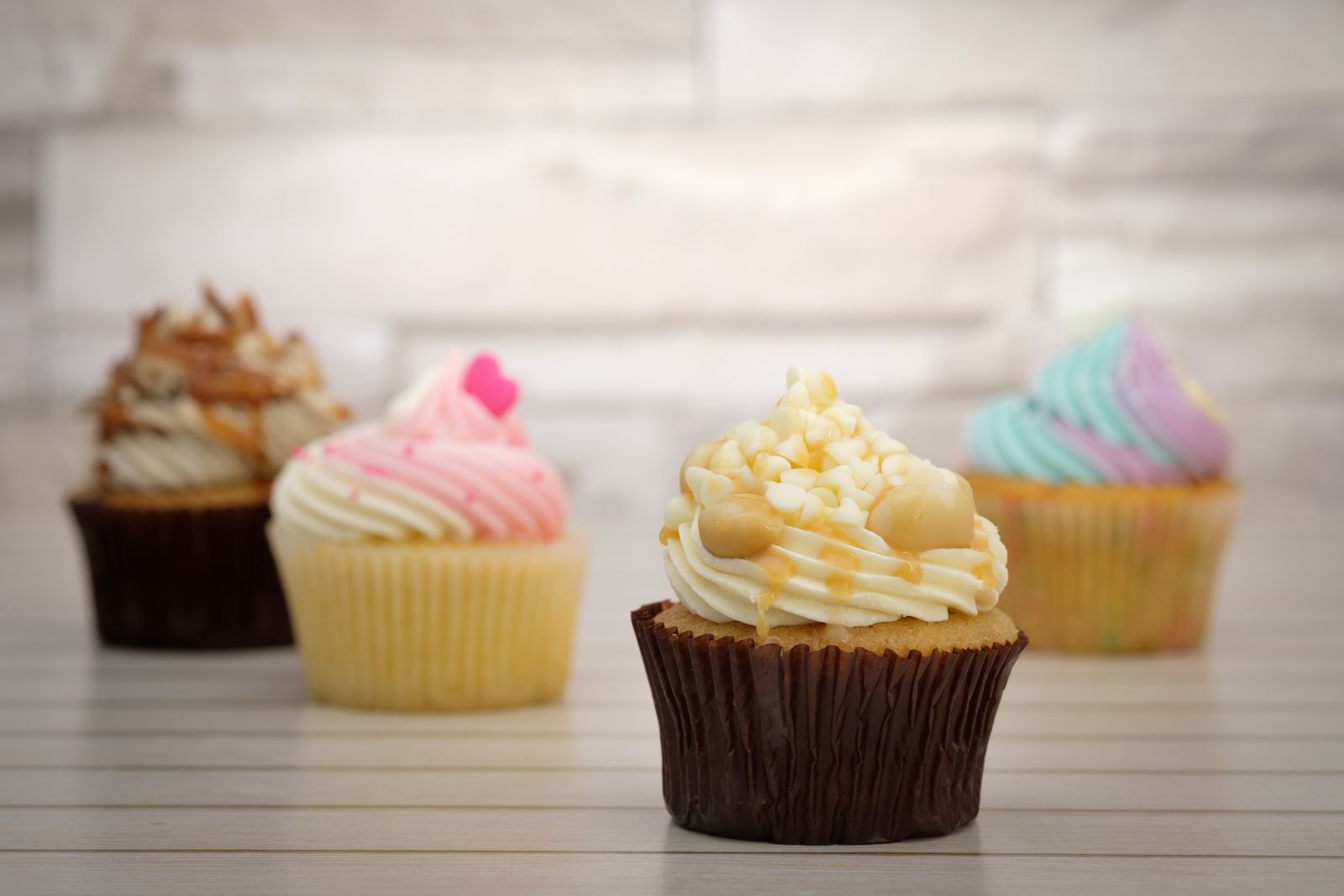
A bakery or home baker doing this work properly keeps the gluten-free process separate in the ways that count: dedicated scoops and cleaned surfaces, baking scheduled away from loose wheat flour in the air, and storage that respects the shorter clock. Cupcakes are often the strongest gluten-free format, because the small portion bakes evenly, the liner supports the delicate crumb, and a generous cap of frosting protects the top from drying. In Lincolnton, where custom orders often center on a celebration table, that makes a gluten-free cupcake batch a genuinely good option rather than a consolation.
If you are ordering for someone who avoids gluten for medical reasons, say so plainly when you order, and ask how cross-contact is handled. If you are baking at home, pick a recipe written to be gluten-free from the start, weigh the blend, rest the batter, and let the bake cool completely before slicing, because gluten-free crumb firms as it cools and cutting early manufactures the gumminess you were trying to avoid.
There is also a flavor cost to neglect that rarely gets mentioned. Wheat contributes a mild, familiar background flavor that eaters register as normal cake. Remove it and the other flavors stand exposed, which means vanilla has to be real and generous, chocolate has to be good chocolate, and citrus zest and spices have to do honest work. A well-built gluten-free cake often tastes more vivid than its wheat counterpart for exactly this reason. A neglected one tastes like sweetened starch, because nothing was asked to replace the flavor that left with the flour.
Common questions
Why can't gluten-free recipes just use one flour?
No single gluten-free flour provides structure, tenderness, and neutral flavor at once. Blends of two or three flours and starches balance each other's weaknesses.
What does xanthan gum do in gluten-free baking?
It acts as a binder and thickener, supplying some of the hold and elasticity that gluten normally provides. Too much makes a bake gummy, so amounts stay small.
How should I store a gluten-free cake?
Wrap it tightly once cool, refrigerate filled cakes, and eat within one to two days for best texture. Freeze individual slices for anything longer.
Photos in this guide are representative stock images.
← All guides from Marilyn's Sweet Addictions← Back to Marilyn's Sweet Addictions